Sheathing, also known as decking, serves as the bed for the other components seen on residential roofing systems. During a roof replacement, it is one of the things that we have to make sure it is in good shape, as the roof’s long-term performance depends on it. Advanced Roofing Inc. gives you an in-depth look at what we look for when we inspect existing roof sheathing.
Roof Sheathing
Sheathing is installed once the roof structure is built. The materials used for sheathing are typically oriented strand board (OSB), plywood, or composite. Certain roof styles feature narrow but thick tongue-and-groove boards. Once installed, the rest of the roofing follows: the waterproofing material (felts), the outer roof and accessories such as flashing and ridge caps. Foam insulation can be installed on the underside of the sheathing.
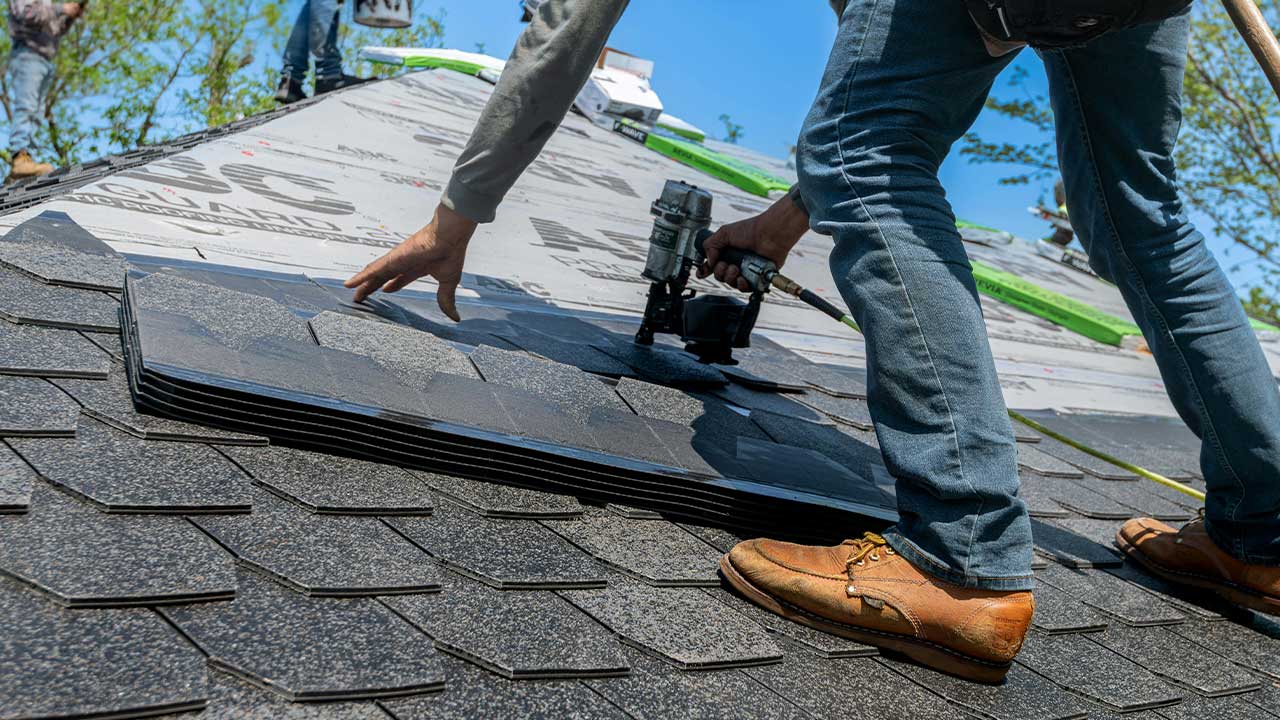
On residential roofs, the roof is stripped down to the sheathing, after which it undergoes a strict inspection. This is an important step and one that should not be skipped by any roofing contractor. If the existing roof hasn’t experienced any damage and is in relatively good shape, the sheathing is kept as is, with only minor repairs, before the new roofing is installed.
Sheathing Inspection
Local roof repair contractors inspect the sheathing during maintenance, repairs and especially during roof replacement. The first thing we check is the thickness of the material used. For plywood, composite, or OSB boards installed on rafters, it should be at least 5/8ths of an inch thick. Tongue-and-groove installations require thicker material – at least 1 1/2 inches thick – as they don’t often require insulation and often double as the ceiling.
Then its condition is inspected. There should be no signs of moisture damage, or holes other than the ones made by roofing nails from the previous installation. The spacing between rafters, as well as the build of the entire structure is inspected. This is important to ensure stability of the new roof – especially when switching to heavier materials such as tile or slate – as well as compliance with building codes. If the sheathing is deemed fit to stay on the roof, it stays. Otherwise, it will be replaced before the rest of the new roof is installed.
To learn more about our residential and commercial flat roof repair services, call Advanced Roofing Inc. at (630) 473-3008. You can also fill out our contact form to schedule a free, no-obligation estimate. We serve Naperville, IL, and surrounding areas in Illinois.